

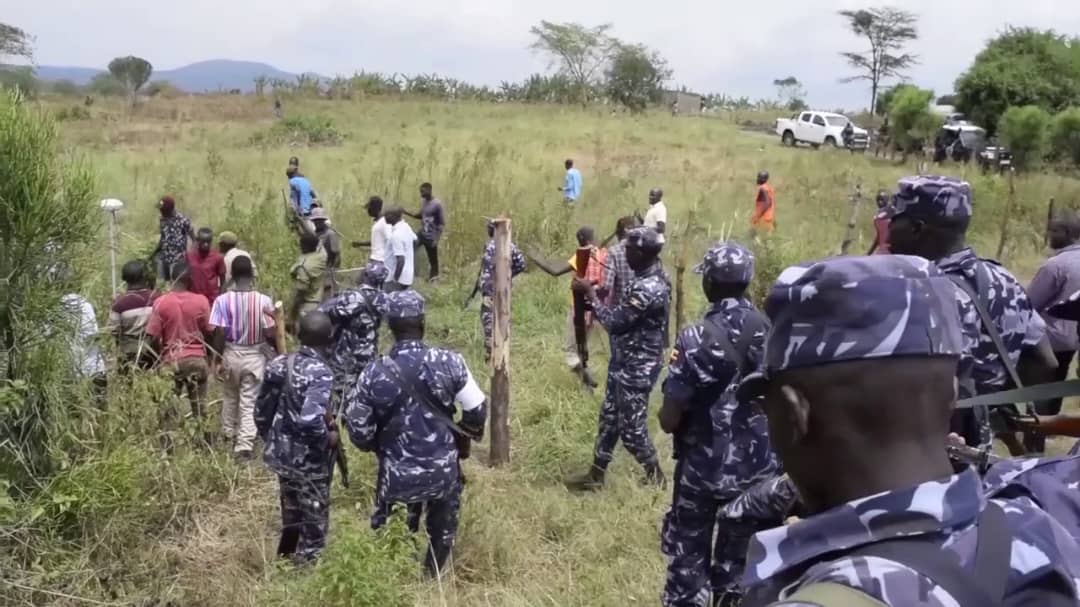
Kasese District, nestled in the Rwenzori sub-region of western Uganda, continues to grapple with protracted land disputes that have pitted pastoralists against crop farmers for decades.
Despite numerous interventions by government ministries and local authorities, the conflicts—particularly in areas like Nkoko and Kabukero—remain unresolved, often erupting into violence and legal battles.
The land disputes in Kasese trace back to the early 2000s when the government allocated land to various groups, including pastoralists displaced from conservation areas.
In Nkoko, Kitswamba Sub-county, land that formerly belonged to the Uganda People's Defence Forces (UPDF) was partially allocated to cattle keepers.
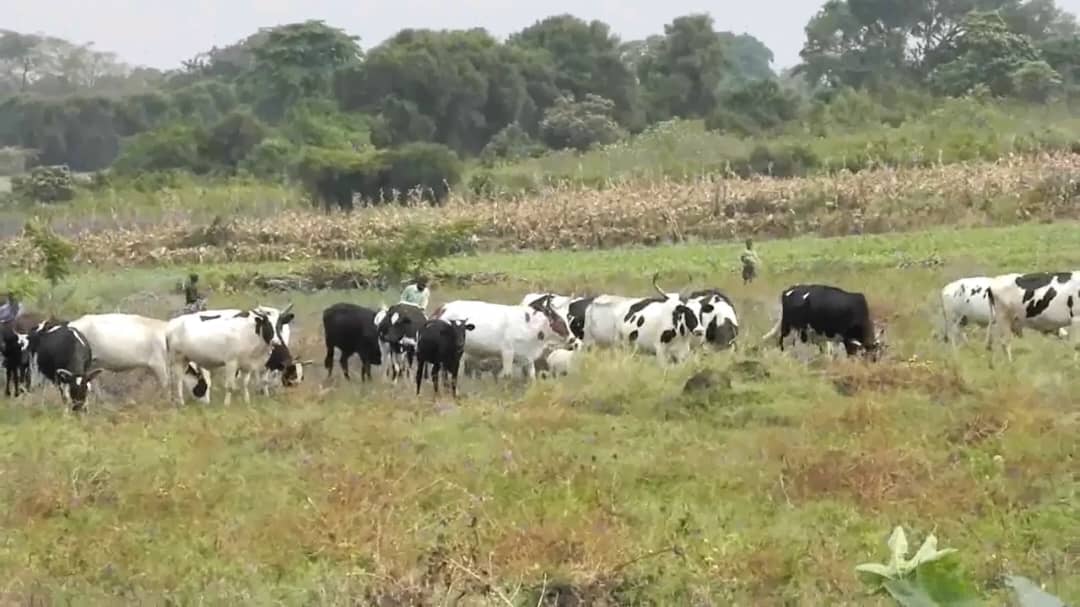
Over the years, crop farmers have accused pastoralists of encroaching beyond the 3,500 acres allocated to them, leading to tensions and calls for boundary demarcations.
Similarly, in Kabukero, Karusandara Sub-county, conflicts have arisen over 596.2 acres of land curved out of prison land.
Crop farmers argue that pastoralists, who were allocated 3,940 acres, have encroached upon their portion, leading to repeated clashes.
Various government bodies, including the Ministry of Lands, Housing and Urban Development, have attempted to mediate these disputes.
In 2022, plans were finalised to open land boundaries in Nkoko, aiming to clarify allocations and reduce tensions. However, these efforts have often been met with resistance.
For instance, in March 2023, pastoralists armed with sticks blocked a planned demarcation exercise in Nkoko, leading to its suspension.
The Office of the President has also been involved, with meetings convened to harmonise land conflicts.
In March 2024, a meeting in Kampala resolved to settle a 20-year land dispute out of court and recommended boundary openings under the guidance of the Ministry of Lands. Despite these resolutions, implementation has been slow, and the disputes persist.
The land conflicts have also played out in the courts.
In 2009, farmers from Kyabatukura village, Rugendabara parish, Kitswamba Sub-county, sued the Uganda Wildlife Authority (UWA) after being evicted from land adjacent to Kibaale National Park.
Despite a High Court directive for an out-of-court settlement and boundary demarcation, the matter remains unresolved.
Residents have accused local authorities of obstructing efforts to resolve these disputes.
In November 2024, residents of Ibuga-Kisanga (Kyabatukura) accused Resident District Commissioner (RDC) Joel Walusimbi of sabotaging a boundary demarcation exercise by failing to provide security, leading surveyors to abandon the work.
The RDC denies these allegations.
"I cannot stop or fail to provide security to government surveyors. Usually I am confused by different directives from different officials within the ministry, which leaves me hand tied," Walusimbi said.
The unresolved land disputes have often turned violent.
In December 2024, at least five people were injured in attacks over land in Ibuga I, Nkoko, and Kabukero villages.
Security officials have expressed concern over escalating tensions, warning that without urgent government intervention, the situation could spiral into further violence.
The conflicts have also led to humanitarian crises. Many displaced residents have lived in Internally Displaced Persons (IDP) camps for years, enduring harsh conditions.
In Bigando, for instance, residents displaced since 2007 continue to live in an IDP camp, with little progress made toward resettlement.
Frustrated by the lack of progress, more than 1,000 crop farmers from areas of disputed lands stormed the office of the Kasese RDC on Thursday last week, demanding the reopening of disputed land for farming activities.
They protest the continued suspension of farming, which they say has led to food insecurity and economic hardship.
The crop farmers accuse the RDC's office of inaction and allege that pastoralists have resumed grazing on the disputed land despite the ban on activities.
They vow to camp at the RDC's office until their grievances are addressed.
"We feel the RDC has not done much in solving this matter. At some point he is even heard showing signs of getting tired of the matter, which leaves us wondering who else would solve the problem if not the leaders."
The land disputes in Kasese District underscore the complexities of land management and the challenges of balancing the interests of different communities.
Despite multiple interventions, the conflicts remain unresolved, leading to violence, displacement, and economic hardship.
As tensions escalate, there is an urgent need for transparent and decisive action to bring lasting solutions to these long-standing disputes.
